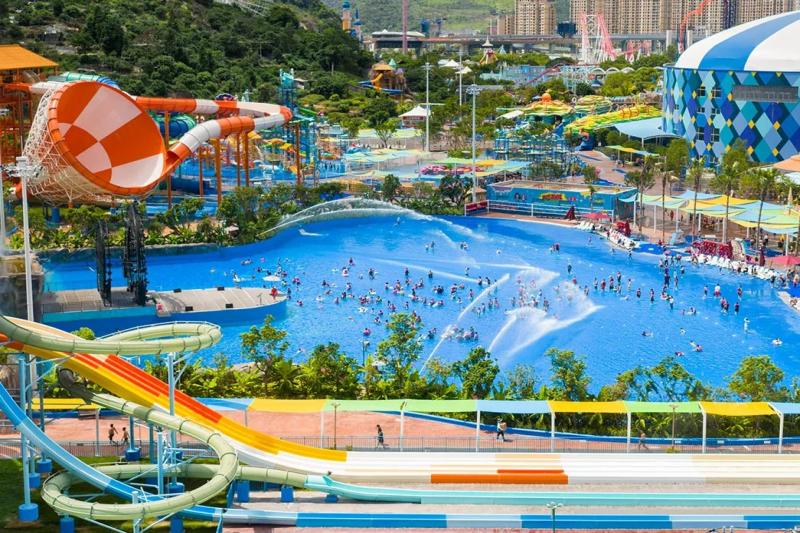
The cost of water park equipment depends mainly on the park size, attraction mix, customization requirements, site conditions, and project design complexity. Small water parks may require a relatively controlled budget, while large commercial parks need significant investment in high-capacity attractions, infrastructure, and advanced water systems. Proper planning during the early stages of water park design helps investors control costs and achieve better long-term returns.
How Much Does Water Park Equipment Cost?
The water park equipment cost varies widely based on the type and scale of the project. A small community water park may focus on children’s play areas, basic slides, and leisure pools, while a large destination water park may require major attractions such as giant water slides, wave pools, and themed water features.
Key cost factors include:
Attraction selection: Large water slides, family raft rides, and customized attractions require higher investment than standard equipment.
Production materials: High-quality fiberglass, structural steel, and corrosion-resistant components improve durability but affect pricing.
Customization level: Unique themes, special designs, and customized layouts increase manufacturing costs.
Installation requirements: Transportation, installation, testing, and technical support should be included in the overall budget.
Investors should evaluate equipment value based on visitor attraction, operating efficiency, and expected lifespan rather than focusing only on the initial purchase price.
What Is the Water Park Construction Cost for Different Sizes?
The water park construction cost includes more than attraction equipment. It covers land preparation, pools, buildings, water treatment systems, electrical facilities, landscaping, and operational infrastructure.
Small Water Park Projects
Small parks typically focus on family entertainment and local visitors. The budget is usually allocated to:
For this type of project, efficient space utilization and selecting high-return attractions are essential.
Medium-Sized Water Parks
Medium parks require a wider attraction portfolio to serve different visitor groups. Typical investments include:
A balanced attraction mix can increase visitor stay time and improve repeat visits.
Large Commercial Water Parks
Large-scale parks require comprehensive planning and higher investment. Major cost areas include:
Signature water attractions
Large-capacity slides
Wave pools and artificial rivers
Advanced park management systems
Complex water park design and themed environments
These projects require cooperation with experienced manufacturers and engineering teams to ensure efficient construction and future operation.
What Factors Affect Water Park Investment?
Water park investment is influenced by both construction requirements and business strategy. Important factors include:
1. Park Positioning and Target Visitors
A resort water park, family entertainment center, and public aquatic facility have different equipment requirements. Understanding the target market helps investors avoid unnecessary expenses.
2. Water Park Design and Layout Planning
Professional water park design improves visitor flow, maximizes available space, and reduces future operating problems. A well-planned layout can increase attraction capacity and improve customer experience.
3. Equipment Quality and Supplier Selection
Choosing reliable manufacturers affects both upfront costs and long-term profitability. High-quality equipment generally provides better durability, easier maintenance, and improved safety performance.
4. Future Expansion Plans
Many successful parks reserve space for additional attractions. Planning for future expansion can reduce renovation costs and support long-term growth.
How Can Investors Reduce Water Park Equipment Costs?
Cost control does not mean choosing the cheapest equipment. Effective budget management includes:
Selecting attractions based on expected visitor demand
Optimizing park layout before construction begins
Working with experienced water park equipment manufacturers
Comparing lifecycle costs instead of only purchase prices
Choosing durable equipment to reduce maintenance expenses
Professional planning in the early stages can prevent costly modifications after construction.
Why Is Professional Water Park Design Important for Budget Planning?
Water park design directly affects investment efficiency. A professional design team considers visitor circulation, equipment placement, safety zones, service areas, and operational needs.
Good design helps:
Increase attraction capacity
Improve guest experience
Reduce unnecessary construction costs
Create better opportunities for future upgrades
For investors, water park design is not only about appearance—it is a key factor in controlling costs and improving profitability.
Conclusion
Understanding water park equipment cost and overall water park construction cost is essential before starting a new project. Different park sizes require different investment strategies, and successful projects depend on the right combination of equipment selection, professional water park design, and effective budget planning.
By working with an experienced industry partner, investors can create a water park that meets market demand, controls construction risks, and delivers sustainable business value.
FAQs
1. What is the biggest expense in building a water park?
The largest expenses usually include water park equipment, construction infrastructure, water treatment systems, and customized attractions. Large signature rides often represent a significant portion of the total investment.
2. How can I estimate my water park investment before construction?
A preliminary estimate should include equipment costs, land preparation, construction, design services, installation, operation facilities, and future maintenance expenses.
3. Is customized water park equipment more expensive?
Customized equipment usually requires a higher initial investment because of specialized design and production requirements. However, it can provide stronger market differentiation and better visitor attraction value.
4. How early should water park design begin?
Water park design should start during the early planning stage. Early design helps determine equipment selection, budget requirements, construction planning, and overall project feasibility.
5. Can a small water park generate good returns with limited investment?
Yes. A smaller project can achieve strong returns by focusing on popular attractions, efficient space planning, and selecting equipment that matches local customer demand.


